Nisa: The Lost Capital of the Parthian Empire
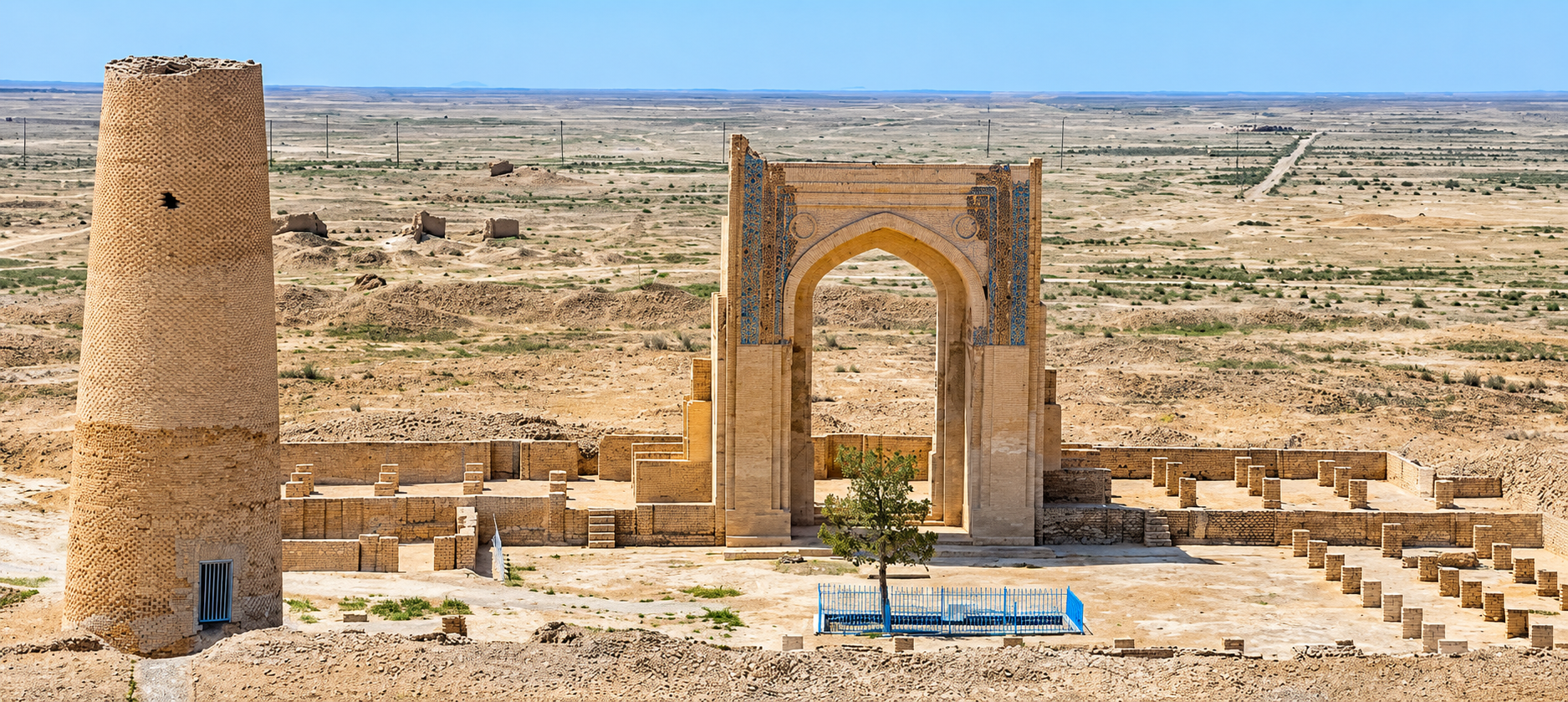
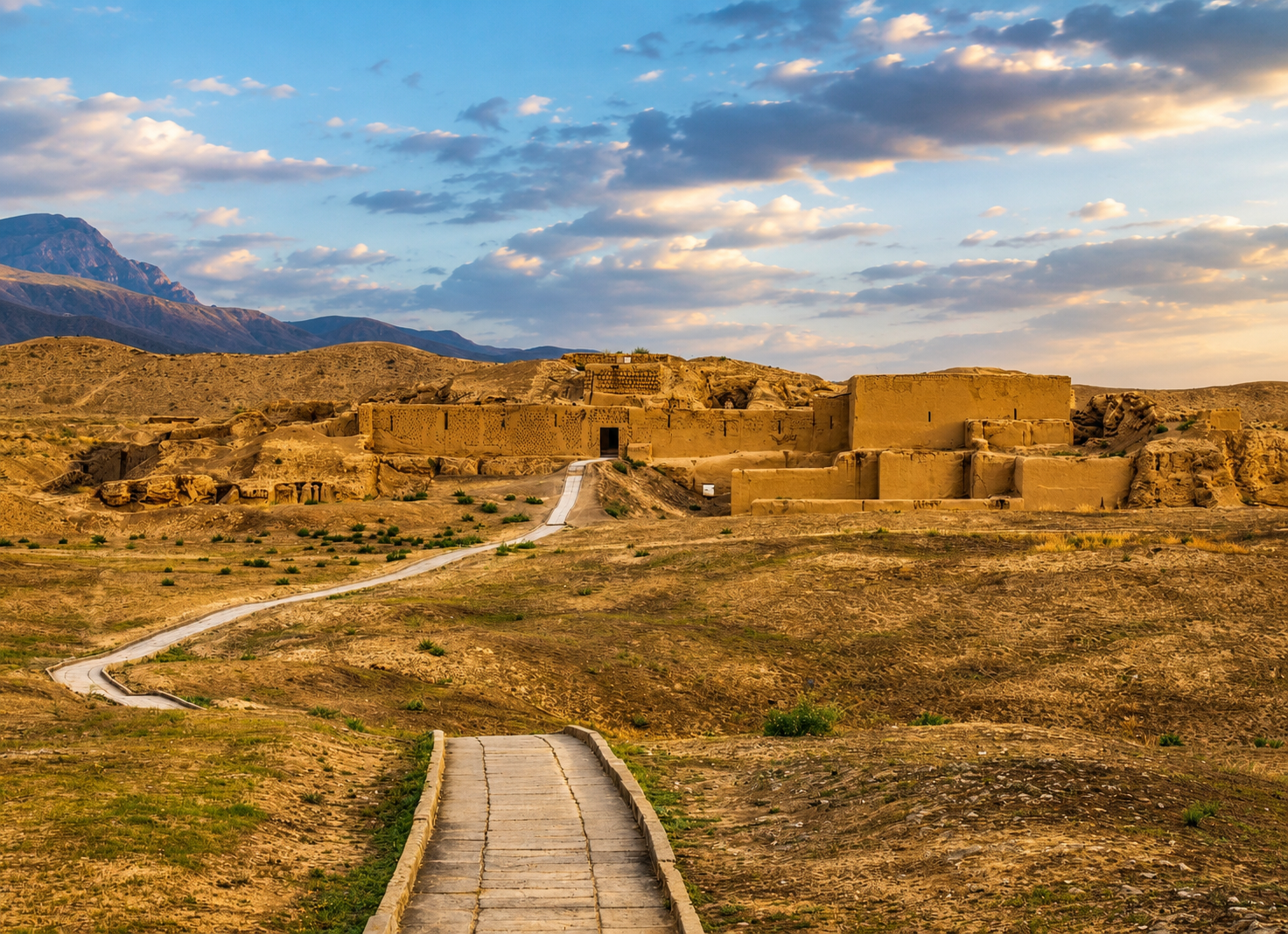
Just 18 kilometers southwest of Ashgabat, at the foot of the Kopet Dag foothills, lie the earthen ruins of Nisa — once the beating heart of one of antiquity's great rival powers to Rome. Founded around 250 BC by Arsaces I, founder of the Arsacid dynasty, Nisa served as an early stronghold of the Parthian Empire, a civilization that stretched across Central Asia and the Iranian plateau for nearly five centuries.
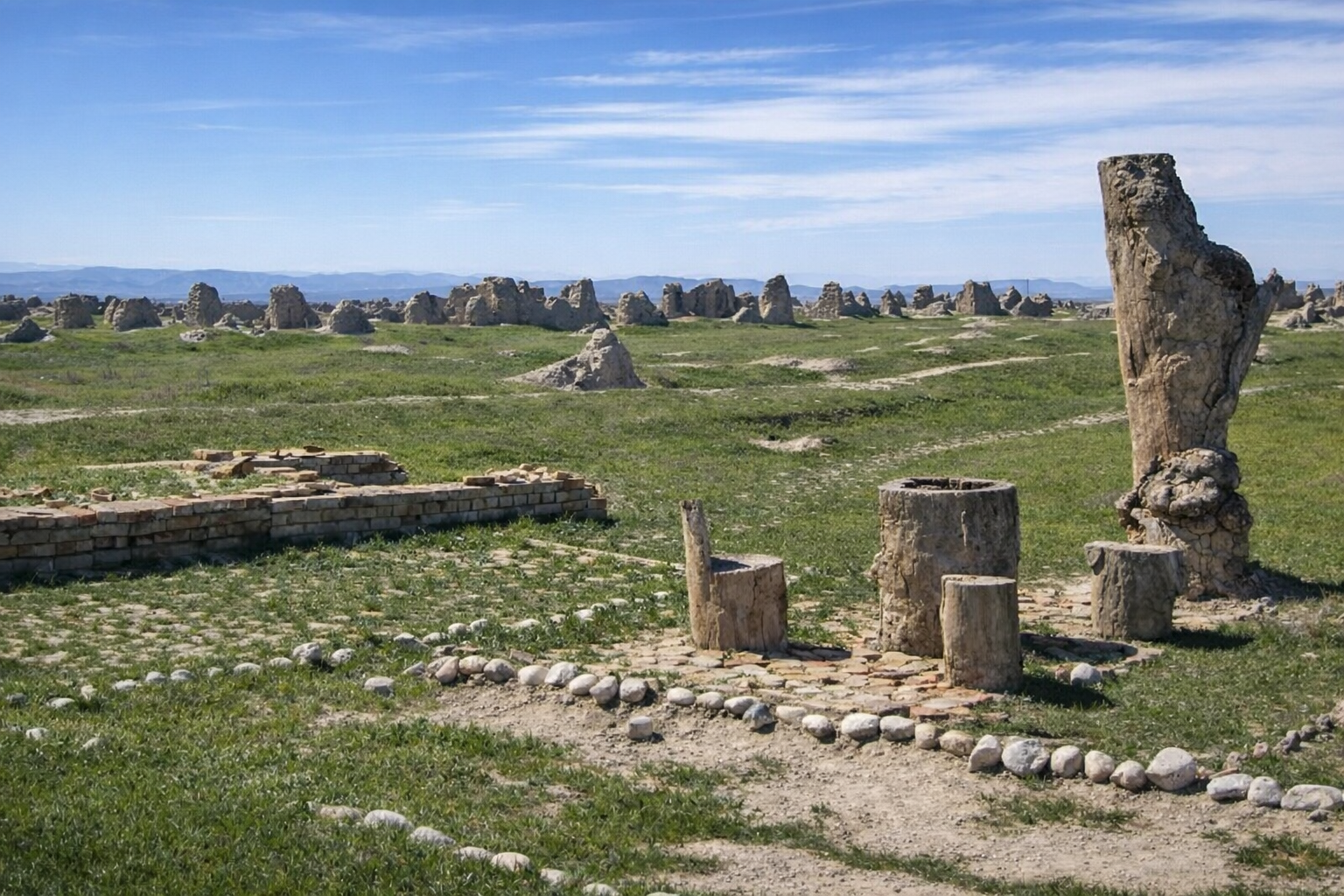
The site is actually two settlements. Old Nisa functioned as a royal and ceremonial center — home to palace and temple complexes, a treasury, and vast wine storerooms, all enclosed within fortress walls up to 8–9 meters thick and reinforced by 43 rectangular towers. It's traditionally associated with the Arsacid royal family, though archaeologists still debate whether it served as a residence, a mausoleum, or both. New Nisa, built later, grew into the empire's practical administrative and trading hub.
The city reached particular prominence under Mithridates I (reigned c. 171–138 BC), who so shaped the site that it was renamed Mithradatkert — "the fortress of Mithridates" — in his honor. Excavations here have uncovered an extraordinary blend of Hellenistic and Iranian artistry: carved ivory rhytons (ceremonial drinking horns) decorated with classical mythological scenes, inscribed administrative documents, and fresco fragments now considered masterpieces of Parthian painting. Many of these treasures are on display today at the National Museum of Turkmenistan in Ashgabat, making a museum visit a natural complement to touring the ruins themselves.
Nisa's decline came gradually — a combination of earthquakes and the eventual fall of the Parthian Empire to the Sasanians in the 3rd century AD led to its abandonment. The ruins were rediscovered by archaeologists in the 19th century, and in 2007 UNESCO inscribed the "Parthian Fortresses of Nisa" as a World Heritage Site — the third site in Turkmenistan to receive that recognition, alongside Ancient Merv and Konye-Urgench.
Today, visitors walk among weathered mudbrick walls and column bases set against sweeping desert views — a site that rewards imagination as much as observation, and one best experienced with a knowledgeable guide who can bring the empty spaces back to life.