Great Minds of Central Asia: The Scholars and Poets Who Shaped the Modern World
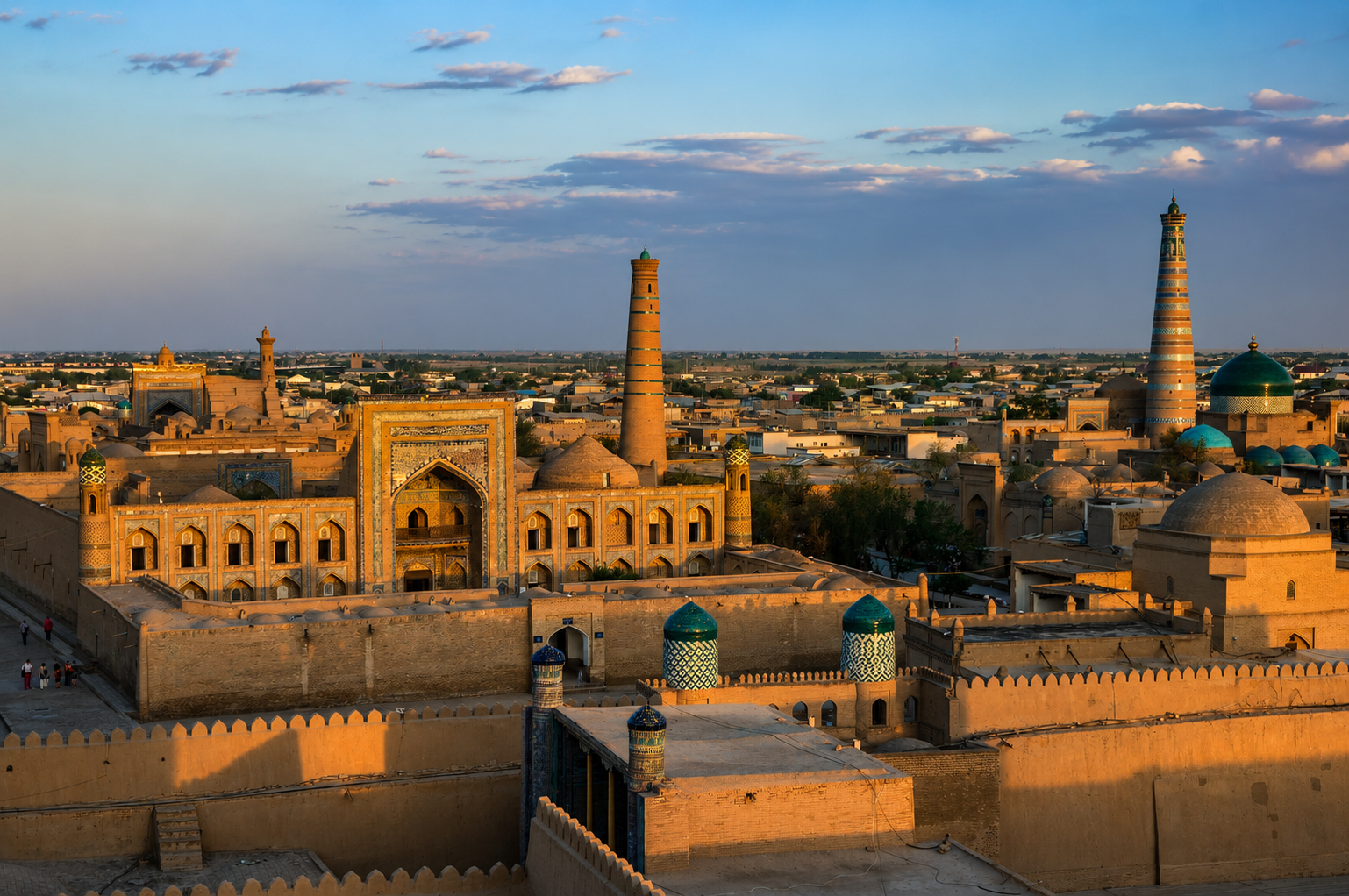
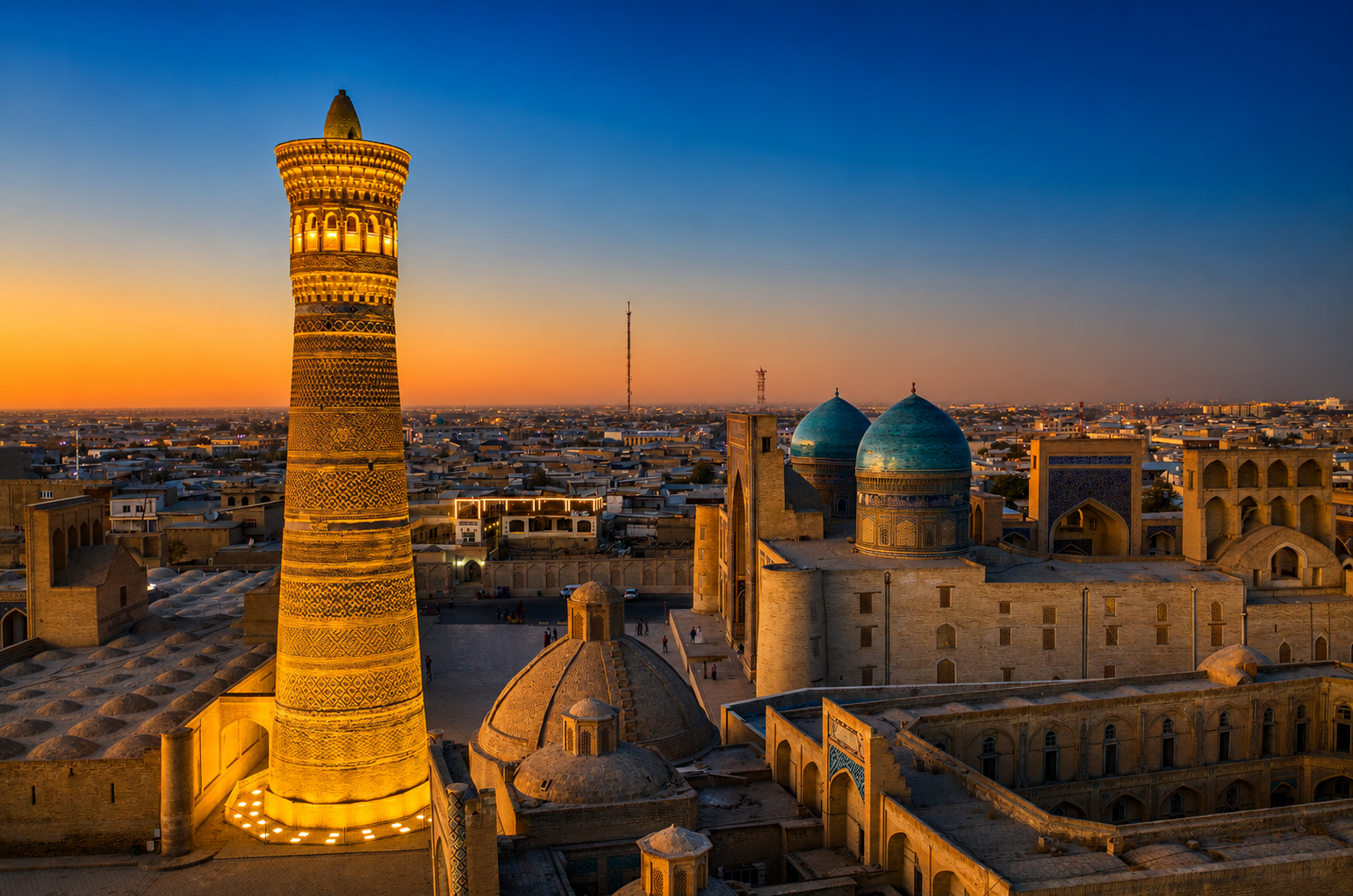
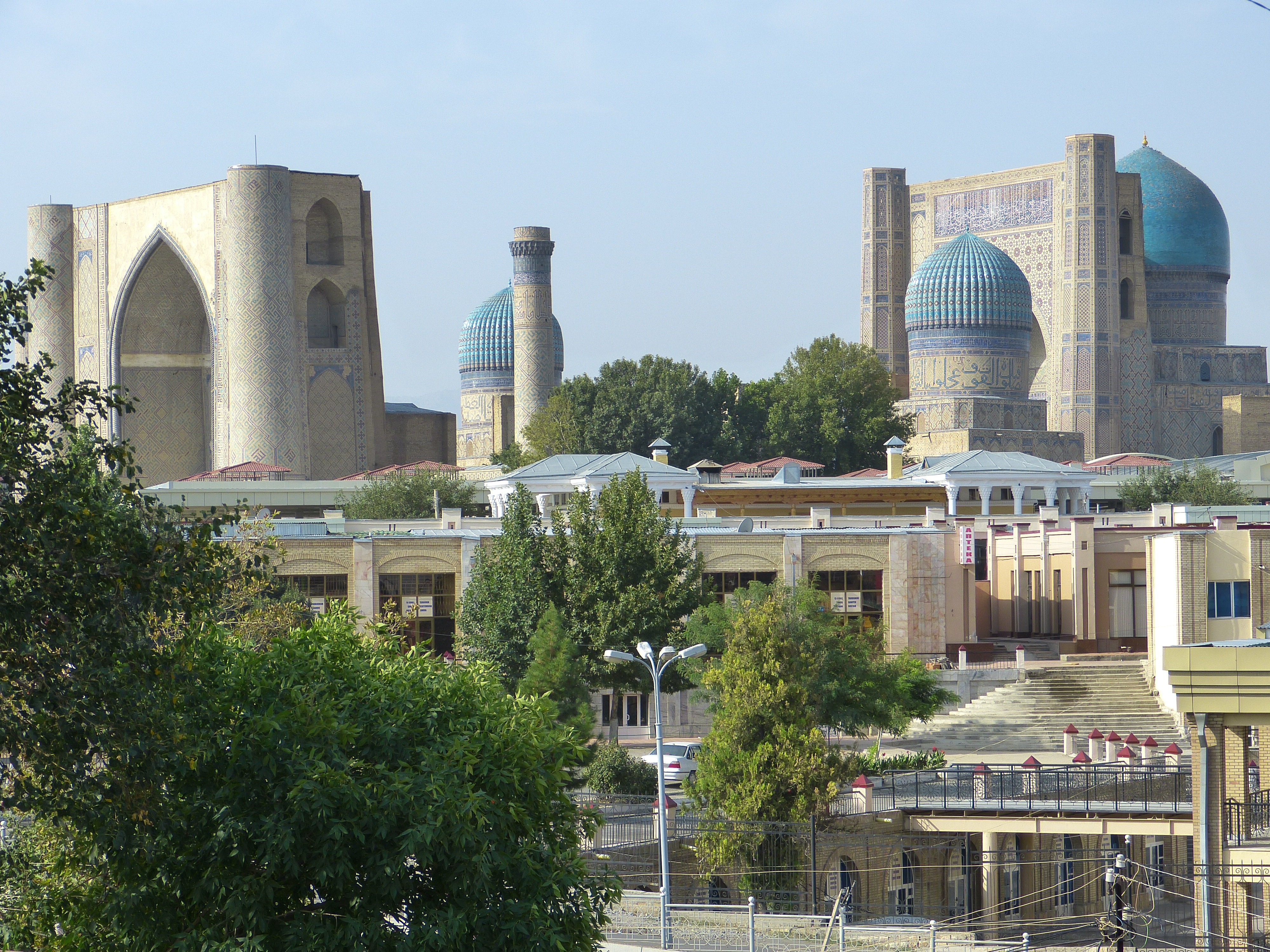
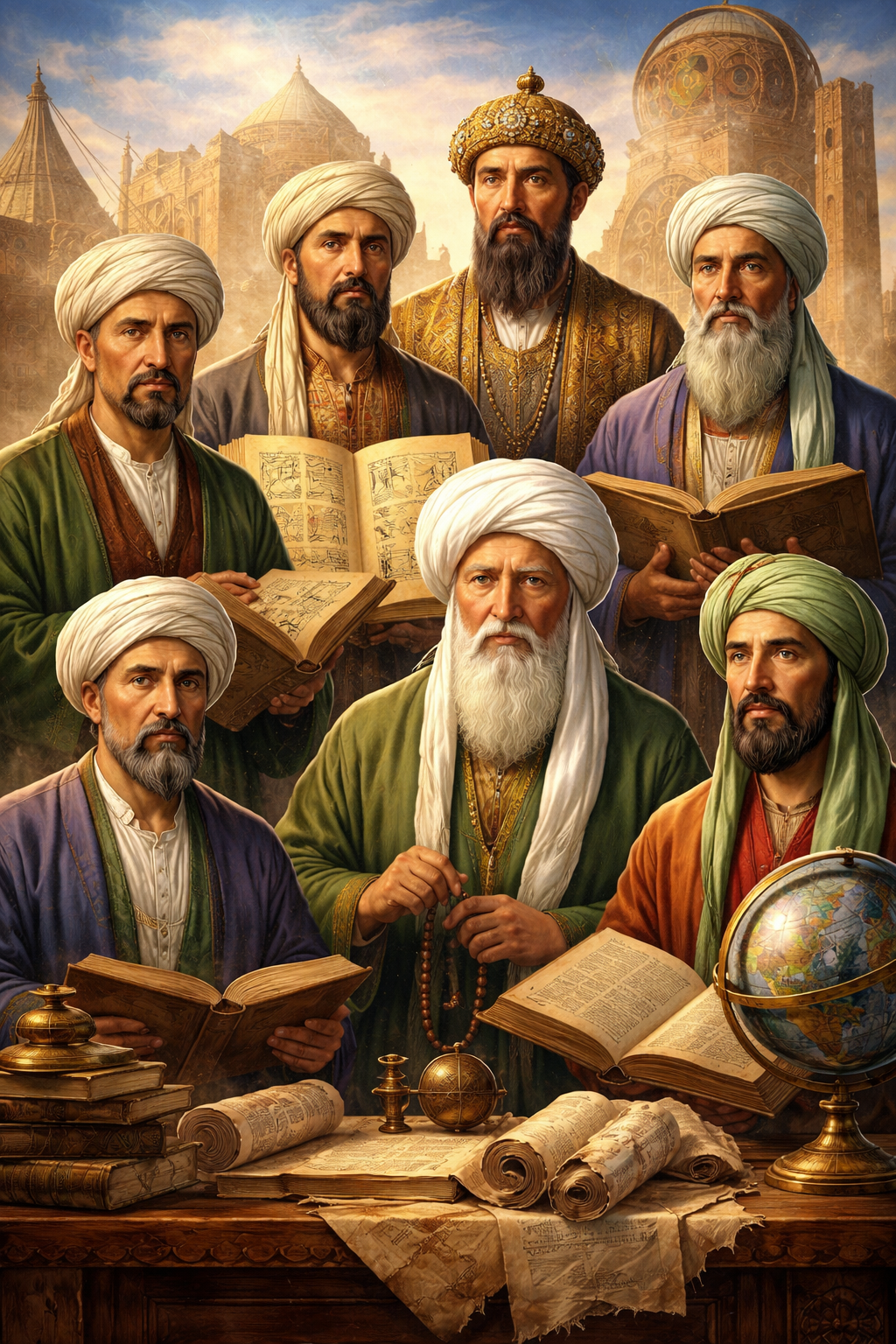
Long before Central Asia became known to travelers as a crossroads of caravans and empires, it was a crossroads of ideas. Between the 9th and 15th centuries, the region — spanning modern Uzbekistan, Turkmenistan, Tajikistan, and Kazakhstan — produced a succession of scholars and poets whose work didn't just define the Islamic Golden Age; it laid groundwork still embedded in science, medicine, language, and culture today. Six names stand above the rest.
Al-Khwarizmi: The Father of Algebra and the Algorithm
Muhammad ibn Musa al-Khwarizmi was born around 780 in the Khwarazm region, straddling today's Uzbekistan and Turkmenistan. Working at the House of Wisdom in Baghdad under Caliph al-Ma'mun, he wrote Kitab al-Jabr wal-Muqabala, the treatise whose title gave the world the word "algebra," and which offered the first systematic method for solving linear and quadratic equations. He also introduced the Indian decimal number system to the Islamic world and, eventually, to Europe. Centuries later, his Latinized name, "Algorismus," evolved into the word "algorithm" — the foundational concept behind every piece of software running today.
Rudaki: The Father of Persian Poetry
Born around 858 in the village of Panjrud, near Samarkand in present-day Tajikistan, Rudaki became the brightest star of the Samanid court in Bukhara, serving as court poet to Amir Nasr II. He was the first major poet to compose in New Persian, effectively founding the literary tradition that would flourish for a thousand years across Iran, Afghanistan, and Central Asia. Of the roughly 100,000 couplets attributed to him, fewer than 1,000 survive, but his influence on Persian literary form — including the development of the ghazal and qasida — was foundational. He fell from royal favor late in life and died in poverty around 941, but he's remembered today as the "father of Persian poetry" in Iran and the "father of Tajik literature" in Tajikistan.
Al-Farabi: The Second Teacher
Abu Nasr al-Farabi was born around 870 near the town of Farab — though historians still debate exactly where, with candidate sites in southern Kazakhstan (Otrar), Turkmenistan (near modern Turkmenabat), and Afghanistan. Trained in Baghdad, al-Farabi became one of the most influential philosophers of the Islamic Golden Age, writing roughly 160 treatises spanning logic, political philosophy, music theory, and the sciences. His commentaries on Aristotle were so authoritative that he earned the title "Second Teacher" — second only to Aristotle himself — and his work directly shaped later giants including Ibn Sina and Averroes, and through them, medieval European scholasticism.
Ibn Sina (Avicenna): The Physician Europe Studied for 600 Years
Born around 980 near Bukhara, in present-day Uzbekistan, Ibn Sina became one of history's most influential physicians and philosophers. His Canon of Medicine, compiled around 1025, systematically organized medical knowledge on diseases, treatments, and pharmacology. Translated into Latin in the 12th century, it became a standard textbook in European universities, remaining part of the curriculum at institutions like Padua and Bologna until the late 17th century. He also described an early form of germ theory and advocated quarantine for contagious disease.
Al-Biruni: Central Asia's Renaissance Mind
Born in 973 in Kath, in the Khwarazm region of present-day Uzbekistan, Abu Rayhan al-Biruni is often called the "father of modern geodesy" and even "the first anthropologist." Fluent in five languages and conversant in three more, he wrote roughly 146 works spanning astronomy, physics, mathematics, geography, and history. His study of India, the Kitab al-Hind, remains a landmark of early cross-cultural scholarship, and his geodetic measurements of the Earth were remarkably close to modern figures — centuries before modern instruments existed.
Ulugh Beg: The Ruler Who Mapped the Stars
Ulugh Beg (1394–1449), a grandson of Timur, took a different path from his conquering ancestors. Appointed governor of Samarkand as a teenager, he built one of the greatest observatories of the pre-telescope era, starting in 1424. Working with astronomers like al-Kashi and Ali Qushji, he produced the Zij-i Sultani, a star catalog of at least 1,018 stars — the first major catalog based entirely on fresh observation since Ptolemy, roughly 1,300 years earlier, with a measurement of the year's length accurate to within about a minute.
A Regional Legacy, A Global Footprint
What connects these six figures isn't just geography — it's the astonishing scale of what they achieved. Between them, they gave the world algebra and the algorithm, the foundations of New Persian literature, a philosophical bridge from Aristotle to the European Middle Ages, the standard medical textbook of that era, precision geodesy, and a map of the stars unmatched for two centuries. For travelers exploring Uzbekistan, Turkmenistan, Tajikistan, and Kazakhstan today, that legacy isn't ancient history behind glass — it's the quiet foundation of the modern world, built here first.